There’s something truly special about Italian wine. It’s more than just a drink; it’s a connection to history, a celebration of craftsmanship, and the perfect partner for a wonderful meal. If you want to understand the very soul of Italian wine, there’s one grape you simply must get to know: Sangiovese. As Italy’s most widely planted grape, it’s the heart and soul behind some of the world’s most cherished red wines.
So, pour yourself a glass, and let’s take a journey into the rolling hills of Tuscany and beyond. What makes this one grape so iconic? It’s a story of ancient gods, dedicated monks, and the timeless beauty of the Italian countryside.
A Storied Past: From Roman Gods to Modern DNA
The story of Sangiovese is as rich and complex as the wine it produces. Even its name has an air of the magnificent. It comes from the Latin sanguis Jovis, which translates to the “blood of Jupiter” [1, 2]. Legend has it that monks in the Emilia-Romagna region coined the name, a fitting tribute to the king of the Roman gods. It speaks to a certain nobility, a sense of heritage that you can still taste in the glass today.
For ages, many believed the grape’s origins stretched back to the ancient Romans or even the Etruscans, who were cultivating wine in Tuscany long before Rome was a global power [1, 2]. It’s a romantic notion, isn’t it? The idea of drinking the same kind of wine that has been enjoyed on the Italian peninsula for millennia. While that connection to ancient viticulture is real, modern science has given us a clearer picture. In 2004, DNA profiling revealed a fascinating truth: Sangiovese is a natural cross between two lesser-known Italian grapes, Ciliegiolo and Calabrese Montenuovo [1, 2].
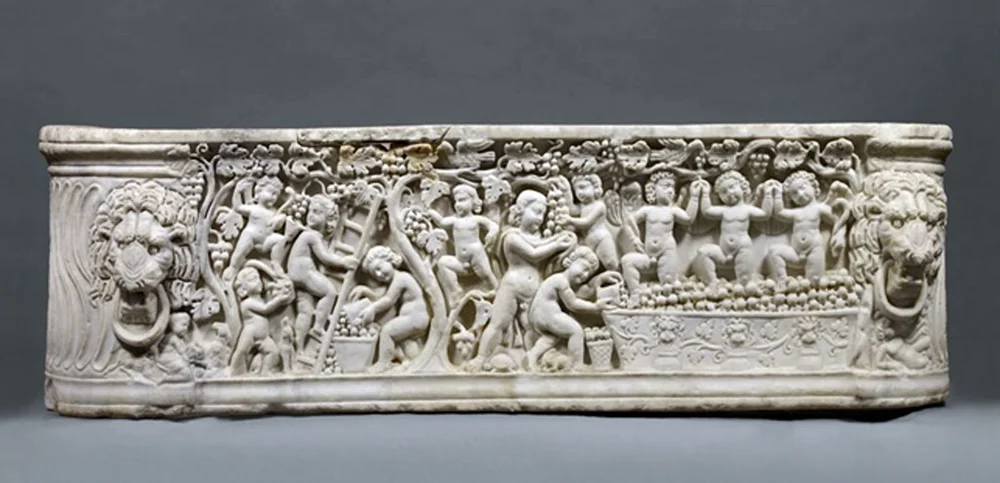
The first official shout-out to the grape comes from 1590, when a Tuscan nobleman named Giovanvettorio Soderini wrote about “Sangiogheto,” praising its potential for making excellent wine [1, 2]. By the 18th century, it was one of the most popular grapes in Tuscany, cementing its place as the foundation for the region’s legendary wines [1].
The Heart of the Matter: What Makes Sangiovese Tick?
So, when you pour a glass of Sangiovese, what should you expect? It’s a wine that truly engages all the senses. It’s not a one-note wonder; it’s a symphony of flavors and textures that evolves in the glass and with every sip.
Flavor and Aroma: More Than Just Cherries
First and foremost, Sangiovese is renowned for its bright, fruity character. The most dominant note is almost always cherry, but not a sweet, candied cherry. Think more of tart, sour red cherries, with a wonderful freshness [2, 6]. You’ll also find hints of red plum and strawberry.
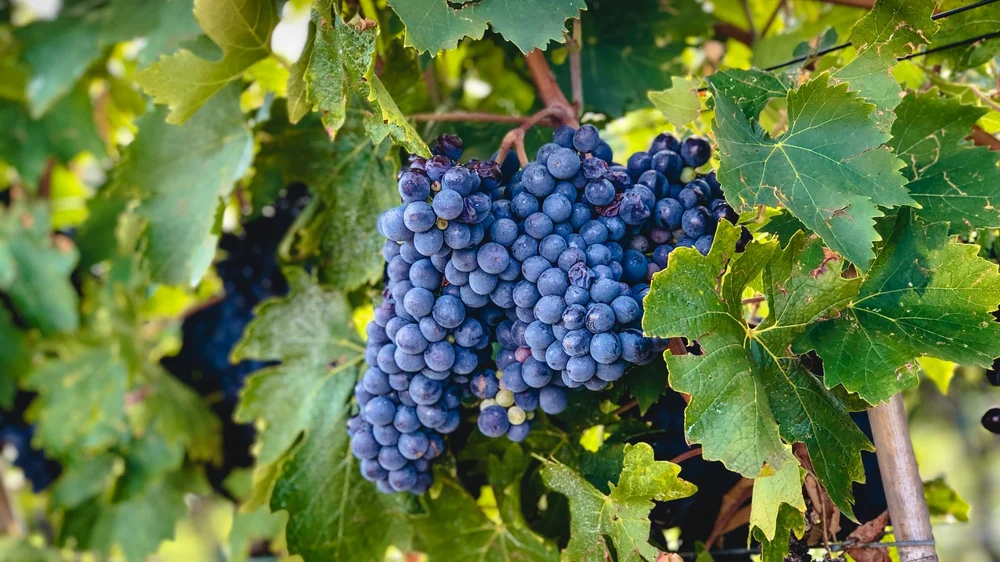
But what truly sets Sangiovese apart is its savory side. This is where the magic happens. Alongside the fruit, you’ll discover a host of earthy, herbal, and rustic notes. Imagine the aromas of fresh tomato leaf, dried oregano, rich tobacco, and well-worn leather [1, 6]. Some people even pick up hints of roasted pepper or dried roses. This beautiful balance between fruity and savory is what makes Sangiovese so complex and so incredibly food-friendly.
Structure and Feel: Acidity and Tannins
Beyond the flavors, the structure of Sangiovese is key to its identity. Two words are essential here: acidity and tannins.
Sangiovese is known for its high acidity, which gives the wine a vibrant, mouth-watering quality and keeps it feeling fresh, never heavy [2, 6]. This acidity is the secret to its incredible versatility with food.
It also has firm, robust tannins [2, 6]. If you’re not familiar with tannins, think of the sensation you get from drinking a strong cup of black tea—that slightly dry, grippy feeling on your gums. In wine, tannins provide structure and body, and they are a key reason why many Sangiovese-based wines can age so beautifully, softening and mellowing over time.
A Tour of Tuscany: Sangiovese’s Famous Homes
While Sangiovese is grown across Italy, its spiritual home is undoubtedly Tuscany. Here, under the warm Tuscan sun, the grape transforms into several distinct, world-famous wines. Each one tells a different story about its specific patch of earth.
Chianti Classico: The Standard-Bearer
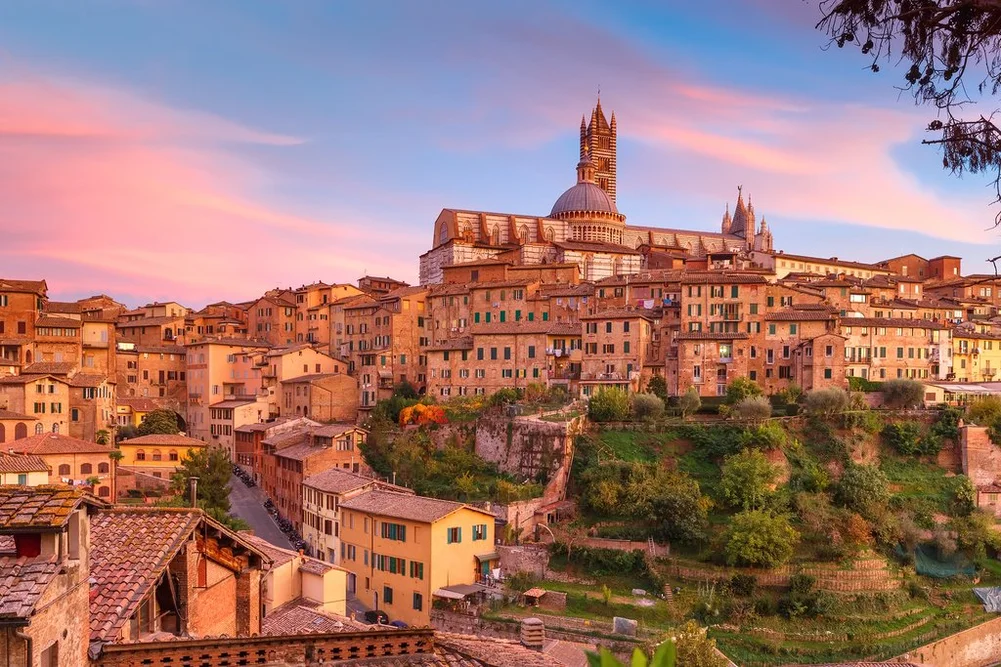
When most of us think of Italian wine, we think of Chianti. But for real quality, you should look for the Chianti Classico. This wine comes from the historic heartland of the Chianti region, the beautiful hilly country between Florence and Siena [9, 11].
How do you know you’re getting the real deal? Look for the iconic Gallo Nero, or Black Rooster, on the neck of the bottle [9, 13]. This symbol dates back to a medieval legend and guarantees the wine’s origin and quality. By law, Chianti Classico must be made from at least 80% Sangiovese [9, 12]. It’s the quintessential Italian table wine—harmonious, dry, with those classic cherry and savory notes, perfect for almost any meal.
Brunello di Montalcino: The Powerhouse
If Chianti Classico is the everyday hero, Brunello di Montalcino is the special-occasion superstar. Hailing from the small hilltop town of Montalcino, this is Sangiovese in its purest and most powerful form. Brunello is made from 100% Sangiovese and is one of Italy’s most prestigious (and expensive) wines [14].
What makes it so special is the commitment to aging. A standard Brunello must be aged for a minimum of four years, including at least two years in oak barrels, before it can be sold [14, 17]. This long, patient maturation transforms the wine, creating incredible depth and complexity, with flavors of blackberry, chocolate, and leather wrapped around a powerful structure. This is a wine built to last, a testament to the virtue of patience and craftsmanship.
Vino Nobile di Montepulciano: The Noble Cousin
Don’t confuse this with Montepulciano d’Abruzzo (a different grape entirely!). Vino Nobile, the “Noble Wine of Montepulciano,” is another Tuscan classic made primarily from a local clone of Sangiovese called Prugnolo Gentile [18, 21]. Steeped in history, it was praised by popes and presidents alike, with some once calling it the “king of all wines” [21].
Vino Nobile offers a beautiful middle ground between the approachability of Chianti Classico and the intensity of Brunello. Aged for a minimum of two years, it delivers elegance, structure, and that signature Sangiovese acidity, often with lovely floral hints of violet alongside the cherry fruit [21].
The Perfect Partner: Pairing Sangiovese with Food
There’s a simple rule in the wine world: what grows together, goes together. And there is no better proof of this than Sangiovese and Italian food. Its high acidity is tailor-made to cut through the richness of olive oil and complement the tang of tomato-based sauces.
- Classic Pasta and Pizza: A simple Chianti with a plate of pasta al ragù or a classic Margherita pizza is one of life’s great pleasures [23, 26].
- Hearty Meats: The robust structure of a Brunello or a Vino Nobile is a perfect match for grilled steak—especially the famous Bistecca alla Fiorentina—as well as roasted pork, lamb chops, and game meats [23, 27].
- Rich Soups and Stews: Think of a hearty Tuscan bean soup like Ribollita. A glass of Sangiovese is the perfect companion on a cool evening [23, 26].
- Cheese: It’s a natural with hard Italian cheeses. Try it with a slice of aged Pecorino Toscano for a truly authentic experience [23, 27].
Why You Should Get to Know Sangiovese
In our fast-paced world, there’s something wonderful about connecting with things that are built on tradition and a sense of place. Sangiovese offers just that. It’s a grape that reflects its home, a wine that speaks of history, and a flavor that is unapologetically Italian.
Whether you’re enjoying a simple, cheerful Chianti with a weeknight dinner or savoring a complex, aged Brunello on a special occasion, you are tasting a piece of Italy’s cultural heritage. It’s a journey of discovery, with each region and each bottle offering a new perspective on this remarkable grape.
Conclusion
From its mythical origins as the “blood of Jupiter” to its modern status as Italy’s workhorse grape, Sangiovese is a true icon. It is a wine of balance—fruity yet savory, structured yet vibrant. It’s the soul of Tuscany and the heart of the Italian table. So next time you’re looking for a wine that’s versatile, delicious, and full of character, I hope you’ll reach for a bottle of Sangiovese. Salute!
References
2. Sangiovese: an In-Depth Wine Profile – Vinerra
3. The history of Sangiovese – Oriantoscana
4. MasterClass: Learn About Sangiovese – MasterClass
5. Characteristics of Sangiovese grape, wine and pairings – Tenute del Cerro
6. Guide to Sangiovese Wine and Pronunciation | Wine Folly – Wine Folly
7. The Comprehensive Guide to Sangiovese | Wine Folly – Wine Folly
8. Sangiovese Wine – Taste, Region and Pairing Guide | Total Wine & More – Total Wine & More
9. Chianti Classico Wine – Chianti.com
10. Consorzio Vino Chianti Classico – Chianti Classico
12. Chianti Classico Wine – Chianti.it
13. History of Chianti Classico – Consorzio Vino Chianti Classico
14. Brunello di Montalcino – Wikipedia
15. Brunello Di Montalcino – Bag & String Wine Merchants
16. Brunello di Montalcino 2018 – The Wine Independent
17. Brunello di Montalcino DOCG – Italian Wine Central
18. The Noble Wine of Montepulciano | Wine Enthusiast – Wine Enthusiast
19. Out of the Shadows: Vino Nobile di Montepulciano – The Wine Economist
20. Montepulciano d’Abruzzo vs Vino Nobile/Rosso di Montepulciano – Curious Appetite
21. Vino Nobile di Montepulciano – Montepulciano.net
22. Vino Nobile di Montepulciano/Rosso di Montepulciano Wine | Total Wine & More – Total Wine & More
23. Best Sangiovese Food Pairings: 12 Foods to Pair – Fine Dining Lovers
24. Food & Wine Pairing – Capstone California
25. 2021 Sangiovese Food Pairings – Merry Cellars Winery
26. Sangiovese | Pairings | Recipes | Our Story | Pedroncelli Winery – Pedroncelli Winery
27. Sangiovese: Taste, Styles, Food Pairings & More! – Good Pair Days
28. Brunello di Montalcino | Total Wine & More – Total Wine & More