Tuscany Wine Guide: From Chianti to Brunello di Montalcino
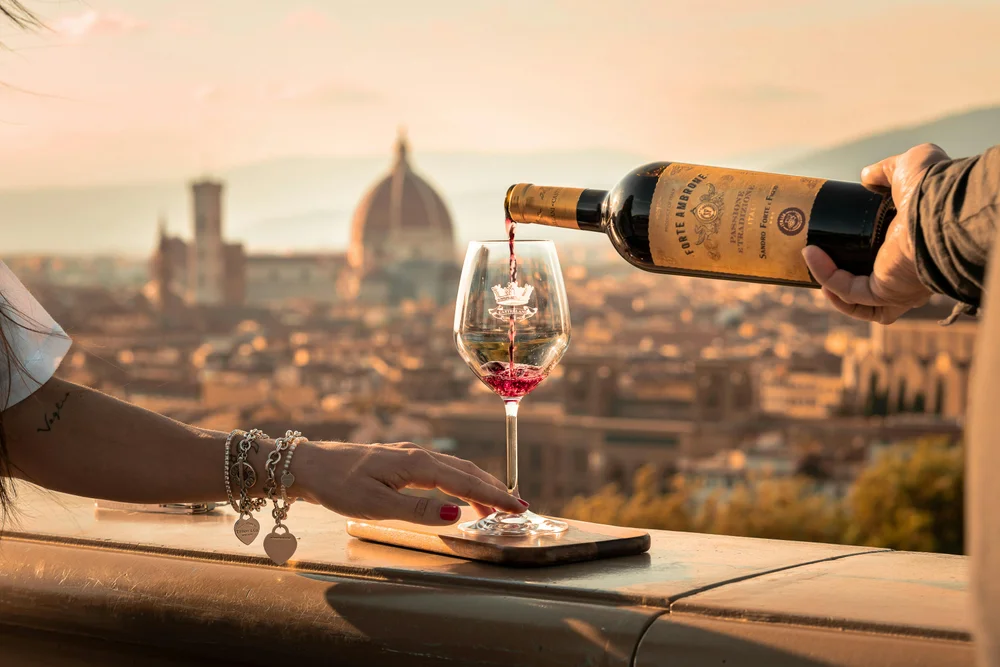
If you’ve ever sat in a Tuscan piazza at sunset with a glass of wine in hand, you understand why this region has captured the world’s imagination for centuries. There’s something about the landscape—the rolling hills, the cypress trees, the light hitting the vineyards just right—that makes you want to linger.
But here’s the thing: Tuscany is far more than just a postcard. It’s one of the most complex and rewarding wine regions in the world, and if you’re serious about Italian wine, you need to understand it properly.
I’ve spent enough time in Tuscany to know that most people only scratch the surface. They know Chianti. Maybe they’ve heard of Brunello. But they miss the nuance, the regional variations, and the incredible value that exists if you know where to look.
This guide is for anyone who wants to move beyond the basics and actually understand what makes Tuscan wine tick.
The Tuscan Landscape: Why Geography Matters
Tuscany isn’t one wine region—it’s a collection of distinct zones, each with its own microclimate, soil composition, and winemaking traditions. The differences matter more than you might think.
The region stretches from the Apennine Mountains in the east to the Tyrrhenian coast in the west. That’s a lot of variation in elevation, rainfall, and temperature. A vineyard in the hills around Montalcino experiences a completely different growing season than one in the flatter areas around Florence.
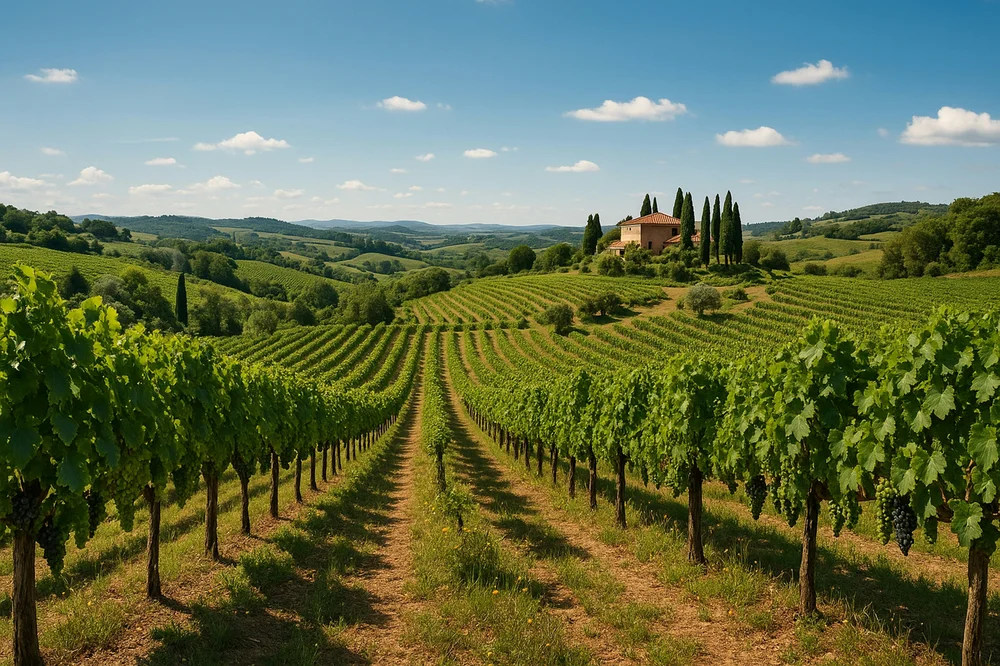
The soils are equally diverse. You’ve got limestone-rich clay in some areas, volcanic soils in others, and sandy loam in the coastal zones. Each imparts its own signature to the wines.
For importers and distributors, this diversity is actually an advantage. It means you can build a Tuscan portfolio that appeals to different price points and customer preferences without leaving the region.
Chianti: The Region Everyone Knows (But Often Misunderstands)
Let’s start with the elephant in the room: Chianti.
For decades, Chianti had an image problem. Cheap bottles in straw baskets, thin wines that tasted like they were made for tourists. That reputation lingers, even though it’s largely undeserved today.
The reality is that modern Chianti—especially Chianti Classico—is producing some genuinely excellent wines at reasonable prices. The problem is that the category is so broad that quality varies wildly.
Understanding the Chianti Hierarchy
This is important, so pay attention:
- Chianti – The basic level. Can come from anywhere in the region. Often simple, fruity, meant for everyday drinking.
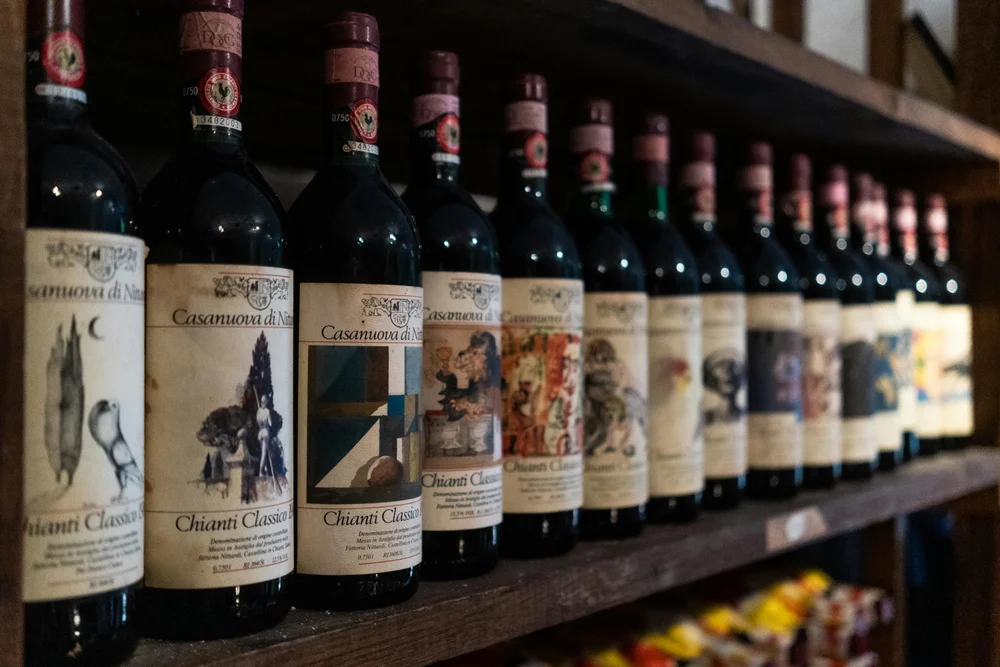
- Chianti Classico – From the original, historic heartland between Florence and Siena. Stricter regulations, generally better quality. Look for the black rooster (Gallo Nero) symbol on the neck.
- Chianti Classico Riserva – Aged longer (minimum 24 months), from lower yields. These are the serious bottles.
- Chianti Colli Senesi, Colli Fiorentini, Rufina – Other sub-zones with their own characteristics. Rufina, in particular, is known for fresher, more elegant wines.
If you’re building a wine list or portfolio, Chianti Classico Riserva is where the real quality starts. Below that, you’re mostly getting pleasant but forgettable wine.
What Makes Chianti Taste Like Chianti?
The backbone of Chianti is Sangiovese. At least 80% of the blend must be Sangiovese, though many producers use 100%.
Sangiovese is a tricky grape. It’s high in acidity and tannins, which means it can taste thin and harsh if not handled properly. But in the right hands, in the right place, it produces wines with incredible complexity and aging potential.
In Chianti, Sangiovese typically shows:
- Red cherry and plum fruit
- Herbal notes (sometimes tobacco, sometimes dried herbs)
- Firm tannins that grip the palate
- Good acidity that makes you want another sip
The best Chianti Classicos age beautifully. A 10-year-old Riserva from a good producer will have developed complexity and softness that a young wine simply can’t match.
Brunello di Montalcino: Tuscany’s Most Serious Wine
If Chianti is the democratic wine of Tuscany, Brunello di Montalcino is the aristocrat.
Montalcino is a small hilltop town in southern Tuscany, and the wines produced here are among the most prestigious—and expensive—in Italy. There’s a reason for that.
What Makes Brunello Special?
Brunello is made from Brunello grapes, which are actually a clone of Sangiovese. But the terroir of Montalcino—the altitude, the soils, the microclimate—produces something distinctly different from Chianti.
The regulations are strict. Brunello must be aged for a minimum of five years before release, with at least two years in oak. That’s a long time, and it costs money. But it also means that when you buy a Brunello, you’re getting a wine that’s already been aged and is ready to drink (though it will continue to improve).
In the glass, Brunello is powerful and complex:
- Deep ruby color, often with a brick-red rim as it ages
- Aromas of dark cherry, plum, leather, tobacco, and sometimes a hint of tar
- Full body, firm tannins, excellent acidity
- A wine that demands food and rewards patience
A good Brunello will age for 20+ years. Some of the greatest bottles from the 1990s are still drinking beautifully today.
Rosso di Montalcino: The Younger Sibling
Here’s a secret that not enough people know about: Rosso di Montalcino.
It’s made from the same grapes as Brunello, in the same area, but with less aging (minimum one year). It’s essentially a younger, fresher version of Brunello—and it’s a fantastic value.
If you’re looking to introduce customers to Montalcino wines without the sticker shock of Brunello, Rosso di Montalcino is your answer. It’s got enough structure and complexity to be interesting, but it’s also approachable and reasonably priced.
Vino Nobile di Montepulciano: The Underrated Gem
Just south of Chianti, in the town of Montepulciano, you’ll find another serious Sangiovese-based wine that doesn’t get nearly enough attention.
Vino Nobile di Montepulciano is made from Sangiovese Grosso (also called Prugnolo Gentile), and it’s required to age for at least two years before release. The wines are structured, elegant, and capable of aging beautifully.
The thing about Vino Nobile is that it often offers better value than Brunello. You’re getting similar quality and complexity, but at a lower price point. For importers and retailers, this is a smart wine to stock.
There’s also Rosso di Montepulciano, the younger version, which is fresh and approachable.
The Super Tuscan Revolution
In the 1970s and 80s, some Tuscan winemakers got frustrated with the traditional regulations. They wanted to use international grape varieties like Cabernet Sauvignon and Merlot, or to age their wines in new French oak instead of traditional large barrels.
The problem was that these wines didn’t fit into the official classifications. So they created a new category: Super Tuscan.
Super Tuscan wines are typically blends of Sangiovese with Cabernet Sauvignon, Merlot, or other international varieties. They’re aged in new French oak, which gives them a richer, more modern style. And they’re expensive—sometimes as expensive as Brunello.
Are they worth it? That depends on your perspective. Some people love them. Others think they’re too international, that they’ve lost the soul of Tuscany.
For your portfolio, Super Tuscans can be a good addition if you’re targeting high-end restaurants and collectors. But they’re not essential. There’s plenty of excellent traditional Tuscan wine to choose from.
Bolgheri and the Coastal Wines
On the coast, near the town of Bolgheri, you’ll find a different style of Tuscan wine altogether.
The climate here is warmer and more maritime. The soils are different. And the winemaking tradition is different too. Bolgheri is known for Cabernet Sauvignon-based wines, often blended with Merlot and other Bordeaux varieties.
These are powerful, rich wines with a distinctly different character from the inland Sangiovese-based wines. They’re also expensive, and they’re primarily made by a handful of prestigious producers.
For most importers, Bolgheri wines are a luxury item. But if you’re working with high-end restaurants or collectors, they’re worth knowing about.
White Wines: Tuscany’s Overlooked Category
Everyone talks about Tuscan reds, but the region also produces some excellent white wines.
Vernaccia di San Gimignano is the most famous. It’s a crisp, mineral white from the hilltop town of San Gimignano. It’s fresh, elegant, and pairs beautifully with seafood and light pasta dishes.
Vermentino is another good option, especially from the coastal areas. It’s similar to Vernaccia but with a bit more body and a slightly different flavor profile.
For a Tuscan wine list, including a white wine or two is smart. It gives you options for customers who don’t want red, and it shows that you understand the region’s full range.
Building a Tuscan Wine Portfolio
If you’re an importer or distributor looking to build a Tuscan portfolio, here’s how I’d approach it:
Entry level (GDO, by-the-glass): Chianti or Chianti Classico from a reliable producer. Look for wines in the €8-15 range wholesale. They should be fresh, approachable, and consistent.
Mid-range (restaurants, wine bars): Chianti Classico Riserva, Rosso di Montalcino, or Vino Nobile di Montepulciano. These wines have enough complexity to be interesting, but they’re not so expensive that customers balk at the price.
Premium (fine dining, collectors): Brunello di Montalcino, Vino Nobile di Montepulciano Riserva, or a Super Tuscan. These are the wines that justify a wine program and attract serious customers.
White option: Vernaccia di San Gimignano or Vermentino. One white wine rounds out the portfolio nicely.
Vintage Variation in Tuscany
One thing to understand about Tuscan wine is that vintage matters. A lot.
Tuscany’s climate is Mediterranean, but it’s not always consistent. Some years are hot and dry, producing ripe, powerful wines. Other years are cooler and wetter, producing fresher, more elegant wines.
Generally speaking:
- Hot, dry years (like 2015, 2016) produce riper, more powerful wines with higher alcohol.
- Cooler years (like 2014, 2017) produce fresher, more elegant wines with better acidity.
For importers, this means you need to taste before you buy. Don’t assume that a wine from a great producer will be great in every vintage. Taste it, understand the vintage, and make your decision accordingly.
Food Pairing: Tuscan Wine and Tuscan Food
The best way to understand Tuscan wine is to drink it with Tuscan food.
Chianti pairs beautifully with pasta with meat sauce, grilled meats, and aged cheeses. The acidity cuts through the richness of the food, and the tannins complement the savory flavors.
Brunello is a wine for special occasions and serious food. Pair it with roasted lamb, wild boar, or a rich beef stew. It demands respect and attention.
Vino Nobile is similar to Brunello but slightly more approachable. It works well with the same foods, but it’s also good with slightly lighter dishes.
The white wines—Vernaccia and Vermentino—are perfect for seafood, light pasta dishes, and fresh cheeses.
The Bottom Line
Tuscany is a region that rewards exploration. Yes, there’s a lot of mediocre Chianti out there. But there’s also some genuinely excellent wine, at all price points, if you know where to look.
The key is to understand the classifications, to taste before you buy, and to build a portfolio that reflects the full range of what the region has to offer.
Do that, and you’ll have a Tuscan wine program that your customers will love.