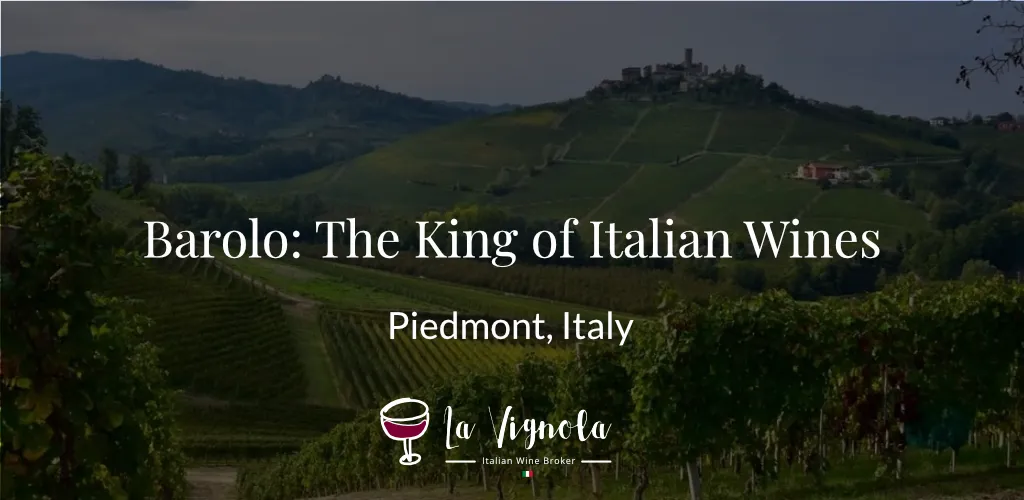
Barolo: The King of Italian Wines
There are moments in life you don’t forget. The first time you hear a truly great song, the first time you see a breathtaking sunset, or the first time you taste a wine that stops you in your tracks. For me, one
of those moments involved a glass of Barolo. It was deep, it was complex, and it felt like I was tasting a piece of history. Have you ever had that feeling?
If you’re a fellow wine lover, you’ve likely heard the whispers about Barolo, spoken in revered tones. It’s often called the “King of Italian Wines” and, historically, the “Wine of Kings.” But these aren’t just
fancy marketing slogans. This is a title that has been earned over centuries, born from a unique patch of earth in Northern Italy, stubborn grape, and a whole lot of patience.
So, pour yourself a glass of something nice, and let’s take a friendly stroll through the rolling hills of Piedmont to uncover what makes Barolo so very special.
A Rich History, Fit for Royalty
You might be surprised to learn that the Barolo we know and love today—a powerful, dry red wine—is a relatively modern invention. Back in the day, the wine made in this region was actually sweet! The Nebbiolo grape ripens late in the season, and the cool autumn temperatures would often stop fermentation early, leaving behind residual sugar.
The big shift happened in the mid-19th century. Thanks to the work of pioneering winemakers like Paolo Francesco Staglieno and the political influence of figures like Camillo Benso, the Count of Cavour, a new
method was perfected. They figured out how to ensure the fermentation process completed fully, creating a dry, complex, and age-worthy wine.
This new style of Barolo quickly found fans in high places. The House of Savoy, Italy’s royal family, fell in love with it, and it soon became a fixture in their cellars in Turin. Thus, the famous saying was born:
“The wine of kings, the king of wines.” It’s a legacy that was officially cemented in 1980 when Barolo was granted DOCG status (Denominazione di Origine Controllata e Garantita), the highest level of
quality for Italian wine.
The Soul of Barolo: The Nebbiolo Grape
You can’t talk about Barolo wine without talking about Nebbiolo. This is the one and only grape allowed in Barolo, and frankly, it’s a bit of a diva. It’s picky about where it grows, needs just the right amount of
sun, and takes its sweet time to ripen.
The name itself gives you a clue into its personality. “Nebbia” is the Italian word for fog, which blankets the Langhe hills during the autumn harvest. It’s a fitting name for a grape that can seem mysterious
and veiled.
In the glass, Nebbiolo is full of wonderful contradictions. It has a surprisingly light, translucent ruby color that can fool you into thinking it’s a lightweight. But take a sip, and you’re met with a powerful structure, robust tannins, and a bright acidity that lets you know this wine means business. The classic aromatic calling card? Tar and roses. It sounds odd, I know, but it’s a beautiful combination of floral elegance and earthy depth.
A Gift from the Earth: The Langhe Hills Terroir
The place where Nebbiolo grows is just as important as the grape itself. The Langhe hills of Piedmont are a breathtaking sight—a rolling sea of vineyards so beautiful and unique that they’ve been designated a
UNESCO World Heritage site. This is where the magic of “terroir” comes into play.
What is terroir? It’s simply the idea that a wine is a reflection of the place it comes from—the soil, the climate, the slope of the hill.
And in Barolo, the terroir is incredibly diverse. The region is broadly split into two main soil types, and they produce noticeably different styles of wine.
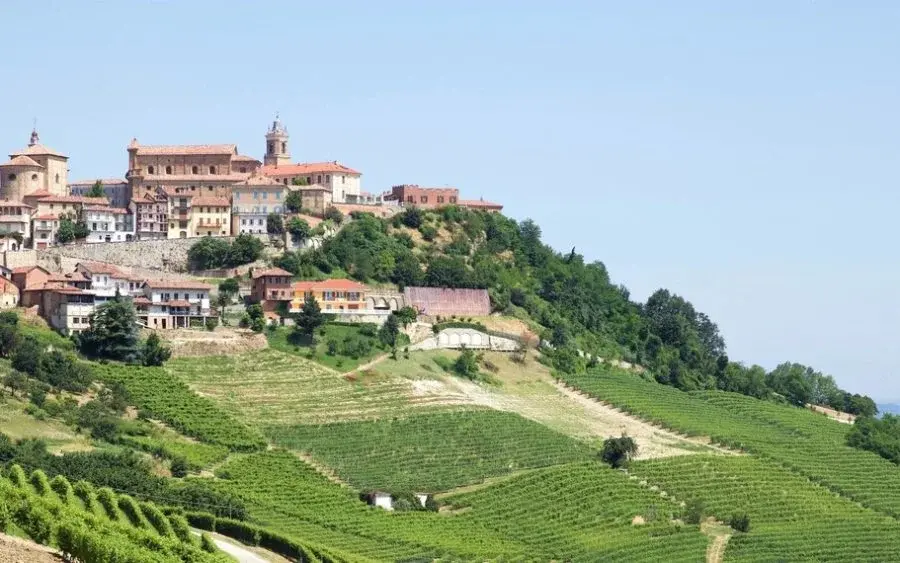
- To the west (in communes like La Morra and Barolo):
The soil is younger, sandier, and richer in clay. It’s known as Tortonian soil. Wines from here tend to be softer, more aromatic, and a bit more approachable in their youth. Think fragrant perfumes of rose petals and red cherries. - To the east (in communes like Serralunga d’Alba and Monforte d’Alba):
Here, the soil is older, less fertile, and packed with limestone and sandstone. This is Helvetian (or Serravallian) soil. It produces wines that are more powerful, structured, and intense. These
are the bottles that demand patience and can age gracefully for decades, developing incredible complexity over time.
The Five Communes: A Family of Flavors
While the Barolo zone covers 11 communes in total, five of them are the most famous and are considered the historic heart of the region.
Getting to know them is like getting to know a family, where each member has their own distinct personality.
- La Morra: Often called the most “feminine” or elegant of the Barolos, with a focus on perfume and softer tannins. A great place to start your Barolo journey!
- Barolo: The town that gives the wine its name!
These wines are often seen as the classic benchmark, striking a beautiful balance between the elegance of La Morra and the power of the eastern communes. - Castiglione Falletto: Situated right in the middle, this commune acts as a bridge. Its wines beautifully combine the aromatic finesse of the west with the structure of the east.
- Serralunga d’Alba: Known for producing some of the most powerful, structured, and long-lived Barolos. These are wines that demand patience but reward it in spades.
- Monforte d’Alba: Similar to Serralunga, the wines from here are robust, deep, and built for the long haul, with rich, dark fruit flavors.
The Virtue of Patience: Barolo’s Aging Rules
In our fast-paced world, Barolo is a wonderful reminder that some of the best things in life are worth waiting for. The DOCG laws are strict and demand patience from the winemakers.
A standard Barolo must be aged for a minimum of 38 months—that’s over three years!—before it can be released. At least 18 of those months must be spent aging in wooden barrels.
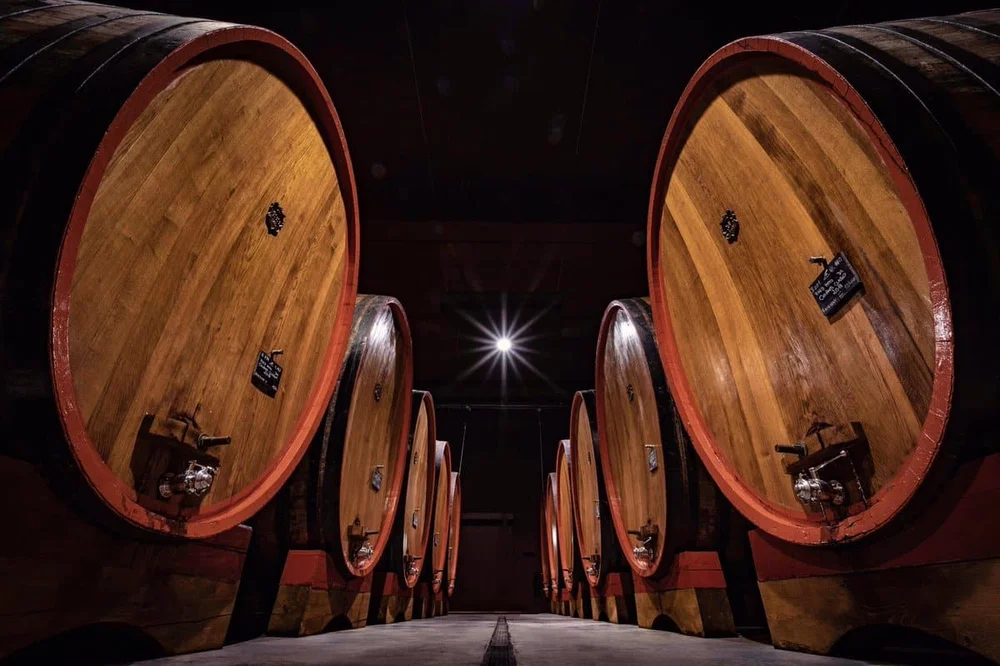
If you see Barolo Riserva on the label, that means it’s been given even more time to develop. A Riserva must be aged for a minimum of 62 months, or just over five years.
This isn’t just about following rules. This long, slow aging process is what allows those formidable Nebbiolo tannins to soften and integrate, and for the wine’s incredible aromatic complexity to blossom.
It’s true craftsmanship.
What to Expect in Your Glass: The Flavor Profile
So, you’ve waited patiently, you’ve opened the bottle, and you’ve poured a glass. What can you expect?
First, give it a swirl and take in the aromas. You’ll almost certainly find those signature notes of rose petals and tar. But don’t stop there. You’ll also find bright cherry, licorice, and maybe a hint of
anise. As the wine ages, it develops an even more profound bouquet, revealing savory notes of leather,
truffles, tobacco, and dried herbs.
Have you ever smelled a rose garden after a summer rain? It’s a bit like that, but with so much more going on.
On the palate, a young Barolo will be full-bodied and assertive, with a firm grip of tannins. But with age, that structure softens into a velvety, harmonious texture that is simply unforgettable.
The Perfect Companions: Pairing Barolo with Food
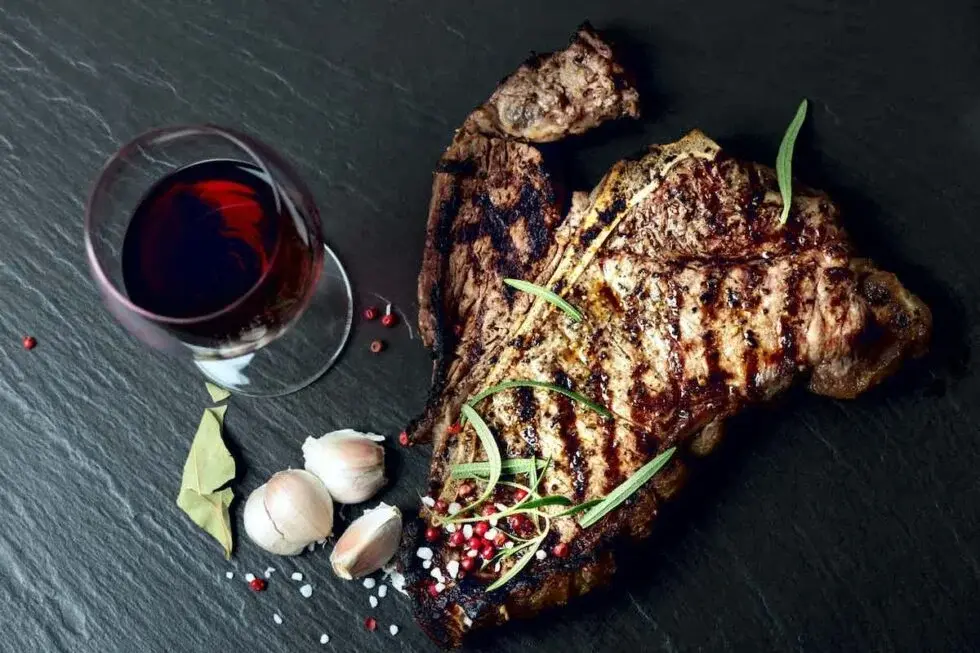
A wine this grand deserves food that can stand up to it. This is not the wine for a light salad! Think of the rich, hearty cuisine of Piedmont.
- Truffle Dishes: Shaved white truffles over a simple pasta (tajarin) or risotto is a match made in heaven. The earthy aroma of the truffle is a perfect echo of the notes in the wine.
- Braised Meats: A slow-braised beef roast, like the classic Brasato al Barolo (beef braised in Barolo), is the ultimate pairing. The wine’s tannins cut through the richness of the meat beautifully.
- Aged Cheeses: A chunk of well-aged Parmigiano-Reggiano or a local Piedmontese cheese like Castelmagno is a simple, perfect way to end a meal with a glass of Barolo.
So, Why the ‘King of Italian Wines’?
When you put it all together, you start to understand. Barolo isn’t just a beverage; it’s an experience. It has a noble history, a challenging but rewarding grape, a complex and varied terroir, and a
production process rooted in patience and tradition. It’s a wine of substance, character, and incredible depth. The title of “King” isn’t just a slogan—it’s a promise of the quality and heritage you’ll find in
every single bottle.
I encourage you to seek out a bottle and discover this magic for yourself. Don’t be intimidated! If you’re new to it, try a bottle from La Morra for a gentler, more aromatic introduction. It’s a journey worth
taking.
Have you had a Barolo that changed your perspective? Share your story in the comments below. Let’s raise a glass to the King!
References
- https://en.wikipedia.org/wiki/Barolo
- https://www.millesima-usa.com/blog/a-guide-to-barolo-wines-a-journey-through-piedmont-s-scenic-terroir.html
- https://wineinsiders.com/blogs/wine-101-types-of-wines-grapes/barolo
- https://www.italyabroad.com/grapes/barolo-docg