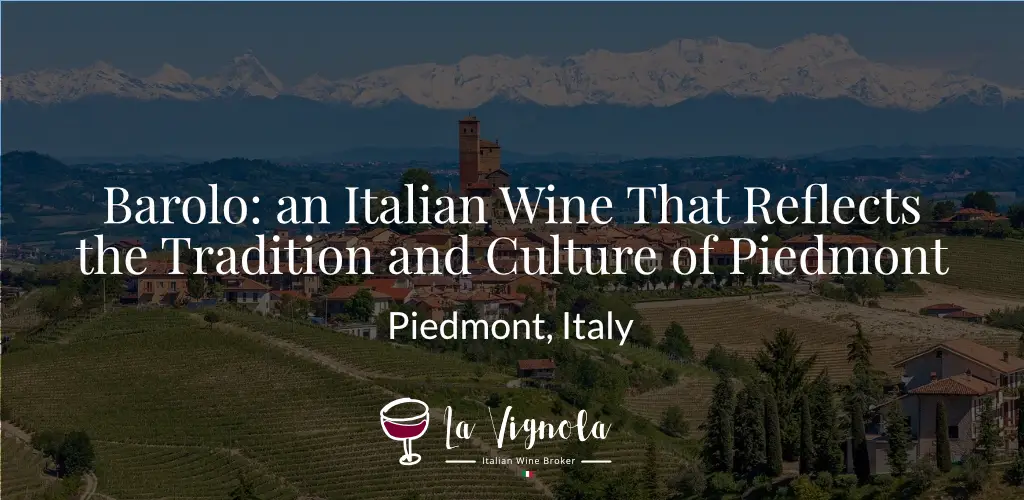
Barolo: An Italian Wine That Reflects the Tradition and Culture of Piedmont
Have you ever tasted a wine that feels like it has a story—not just flavors?
That’s Barolo.
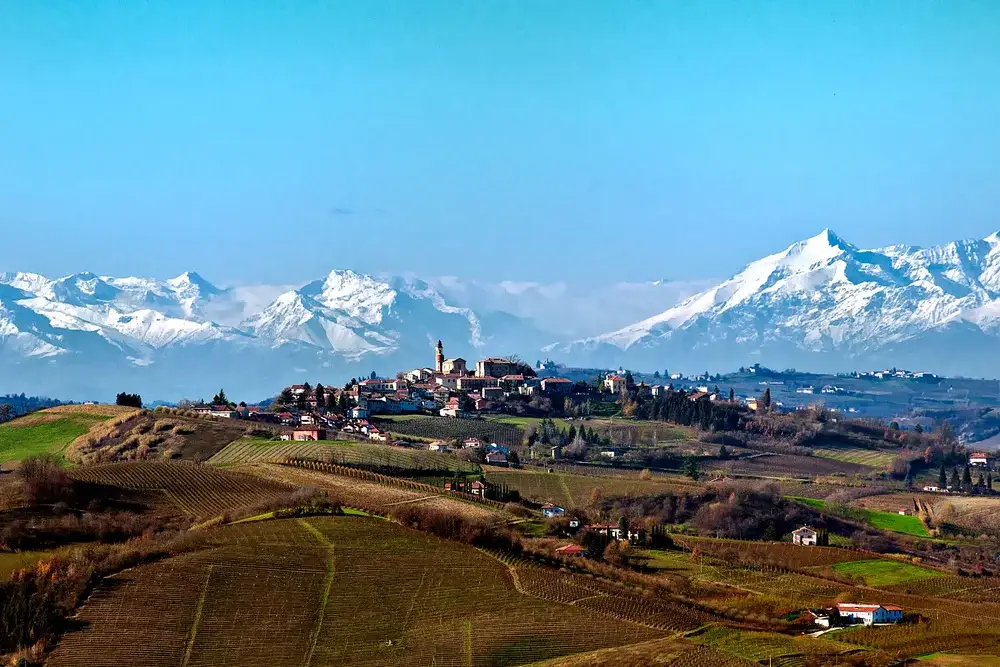
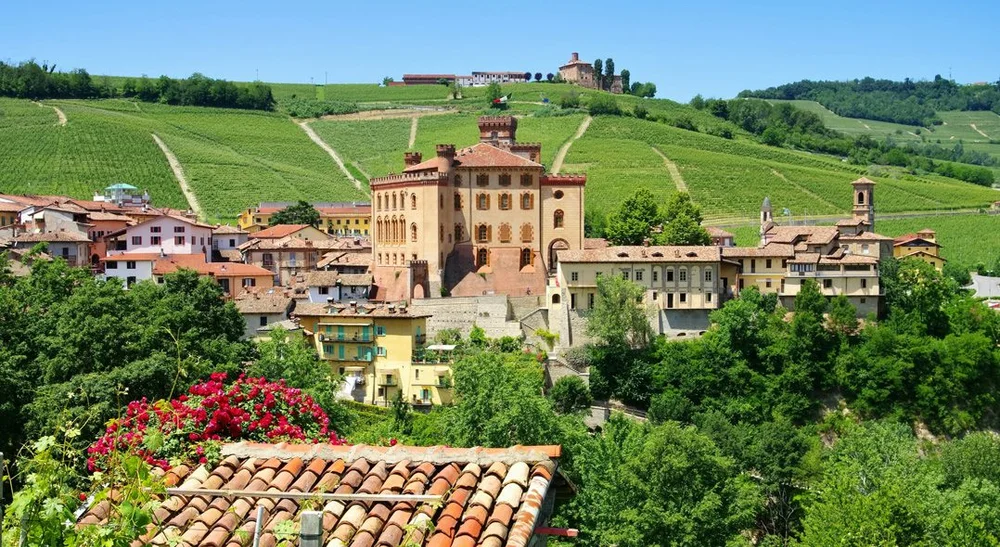
Barolo is one of Italy’s most iconic red wines, born in Piedmont (Piemonte), in the rolling hills of the Langhe. It’s famous for its elegance, its bold personality, and its ability to age beautifully for years. But what makes it so special—and why do so many people fall in love with it?
Let’s walk through it together, step by step.
What is Barolo?
Barolo is a high-quality Italian red wine made only from Nebbiolo grapes. You’ll find it in Piedmont, in a small area where the land, the climate, and local know-how come together in a pretty magical way.
So what should you expect in the glass?
Aromas: red fruit, dried flowers (often rose), spice, and earthy notes
Taste: full-bodied, structured, with noticeable tannins (that “grip” you feel) and fresh acidity
Personality: intense, complex, and built to evolve over time
In short: Barolo is not a wine that whispers—it speaks. And if you give it time, it tells you more.
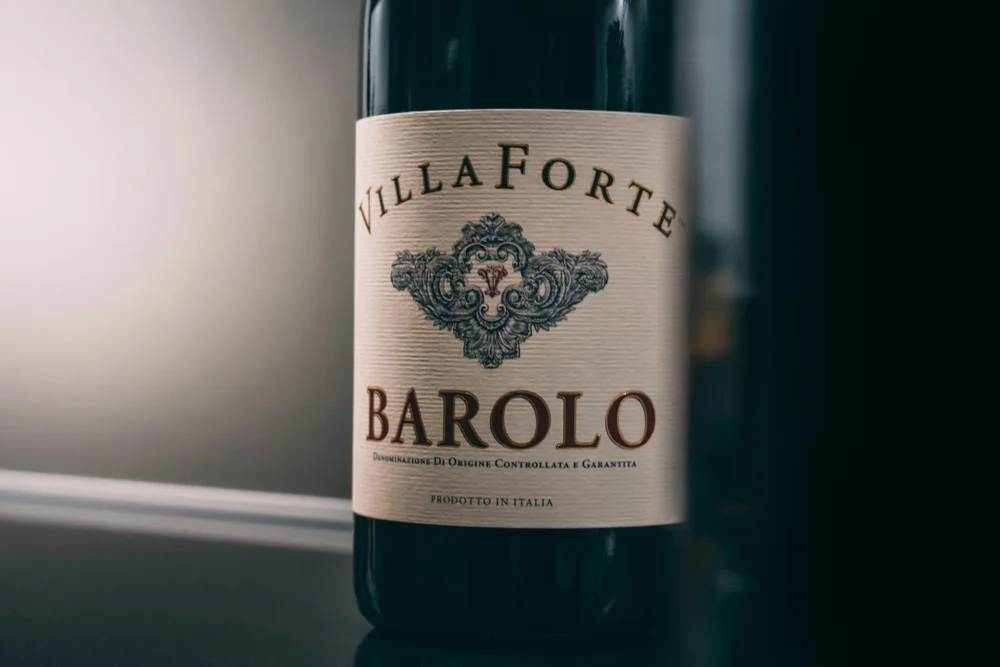
Origin and Tradition: Where Barolo’s Legend Began
Barolo’s modern history really takes shape in the 19th century, when it began evolving into the dry, age-worthy wine we know today. Noble families and skilled winemakers helped refine its style, and Barolo quickly earned a reputation for prestige and elegance.
Today, Barolo is protected by the Barolo DOCG designation. If you’re not familiar with that term, no worries—DOCG is simply Italy’s highest quality classification. It means Barolo must follow strict rules about where it’s made, which grape is used, and how long it’s aged. That’s one of the reasons it’s so trusted worldwide.
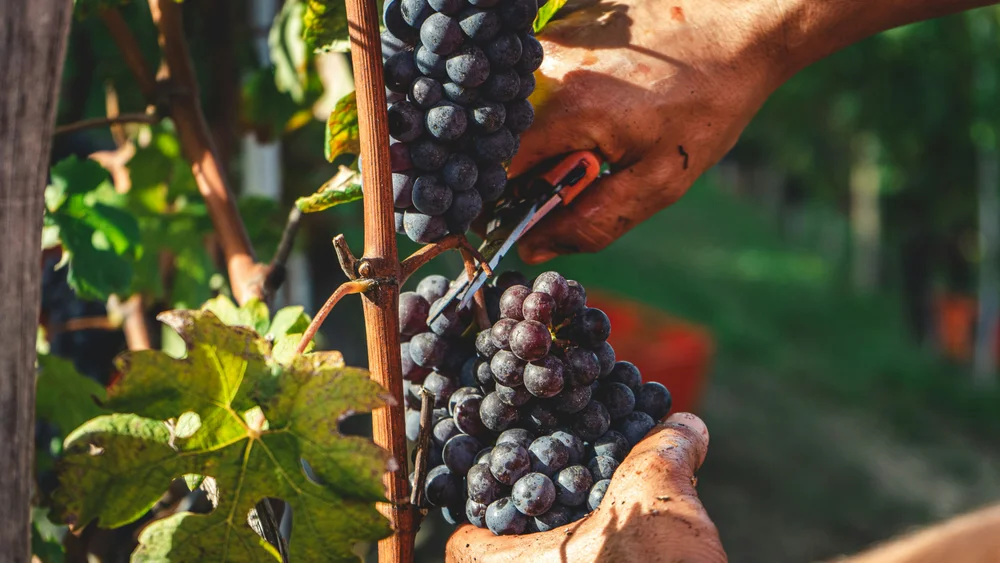
The Land Behind the Wine: Why Piedmont Matters
Here’s a question: if Nebbiolo grows in other places too, why does Barolo feel so unique?
The answer is terroir—a French word used in wine that means “everything about the place”: soil, climate, altitude, and even exposure to sun and wind.
In Barolo’s case, that “place” is a set of hillside vineyards where Nebbiolo can ripen slowly and develop its signature character. The soils here often include limestone and clay, which help create Barolo’s structure and complexity.
This is why Barolo can feel both powerful and refined. It’s not just the grape—it’s the land shaping it.
How Barolo Is Made (Without Getting Too Technical)
Barolo is made with care and patience.
After harvest, Nebbiolo grapes are fermented to turn their sugars into alcohol. Then comes one of Barolo’s most important steps: aging.
By law, Barolo must age for at least 38 months, including 18 months in oak barrels. That extended time is crucial. It helps soften the wine’s tannins, deepen its aromas, and bring everything into balance.
And yes—this is one reason Barolo is often more expensive than other reds. Time, space, and quality winemaking add up.
Traditional vs. Modern Barolo: Which One Is “Right”?
You may hear people talk about “traditional” and “modern” Barolo styles. Should you worry about that?
Not really—think of it as two different interpretations of the same masterpiece.
- Traditional style: usually more structured and firm in youth, often built for long aging
- Modern style: often a bit rounder earlier on, sometimes more approachable when young
Neither is better. The “best” one is the one that matches your taste—and the moment you’re drinking it.
How to Store Barolo Properly
If you’re buying Barolo, chances are you want to enjoy it at its best, right?
Here’s how to store it well:
- Keep it around 12°C to 18°C (53.6°F to 64.4°F)
- Store bottles on their side, so the cork stays moist
- Avoid strong light, heat, and temperature swings
Barolo is famous for aging well. With the right storage, it can develop for decades, gaining deeper aromas and a smoother, more complex profile.
How to Serve Barolo (And Should You Decant It?)
Barolo deserves a little attention when you serve it—nothing complicated, just a few smart moves.
- Serve at 16°C to 18°C (60.8°F to 64.4°F)
- Use a large wine glass (it helps the aromas open up)
- Consider decanting, especially for younger Barolo
Wondering why decanting helps? Because Barolo can be tight and tannic when young. A bit of air can make it more expressive and enjoyable.
Food Pairing: What Goes Best With Barolo?
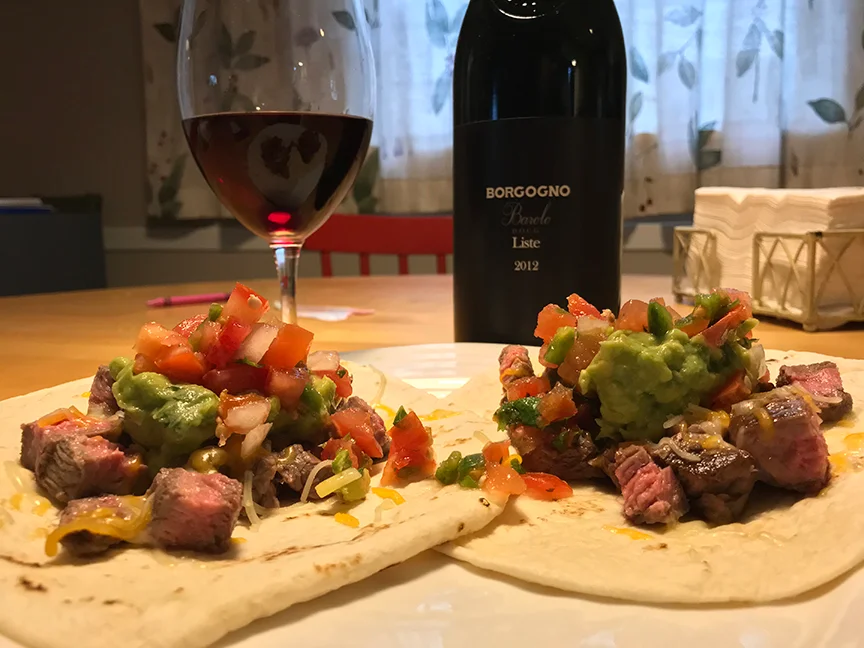
Barolo is a strong, structured red, so it shines with dishes that have richness or depth.
Great pairings include:
- Roasts and braised meats (beef, lamb, game)
- Aged cheeses
- Truffles and mushrooms
- Slow-cooked sauces and hearty pasta dishes
And here’s a fun surprise: Barolo can also work well with vegetarian dishes, especially those built around mushrooms, truffles, roasted vegetables, and earthy flavors. Have you ever tried Barolo with a mushroom risotto? If not, it’s worth putting on your list.
What Does Barolo Taste Like Over Time?
One of the most fascinating things about Barolo is how it changes as it ages.
- Younger Barolo: more bright fruit, strong tannins, intense structure
- Aged Barolo: more complex and “secondary” aromas like leather, tobacco, truffle, dried rose
This is why Barolo is sometimes called a “meditative wine.” It’s not meant to be rushed. It’s meant to be savored slowly—sip, pause, notice, repeat.
Barolo Curiosities (Because Wine Should Be Fun Too)
A few interesting things about Barolo:
- It’s often pricey for good reasons: Nebbiolo is hard to grow, yields can be limited, and aging takes time.
- It can last for decades: when stored properly, Barolo can remain impressive even after 20, 30, or more years.
- It evolves dramatically in the bottle: which means every stage of its life offers a different experience.
So here’s a question for you: do you prefer wines that are bold and youthful—or wines that feel softer, deeper, and more mature?
Conclusion: Why Barolo Still Captures Hearts
Barolo isn’t just a famous Italian wine. It’s a reflection of Piedmont itself—its hills, its traditions, its patience, its pride.
If you’re looking for a wine to impress at a special dinner, Barolo delivers. If you want a bottle that can age and transform over time, Barolo is one of the best choices you can make. And if you simply want to understand why Italian wine culture is so loved around the world, Barolo is a beautiful place to start.
Want help choosing the right Barolo style for your market—or pairing it with a specific menu? Tell me what you’re aiming for (restaurant list, retail shelf, importer portfolio), and I’ll tailor suggestions to your audience.